lovematters-inc.org

Understanding the Issues

Clear information. No judgment. Real help.

Knowledge is protective — for survivors, families, and communities. Explore each topic below at your own pace.

If you are in immediate danger, call your local emergency number (911 in the US/Canada) first.

This page is for information. For live crisis support, visit our Emergency Help page.

Domestic Violence

What is domestic violence?

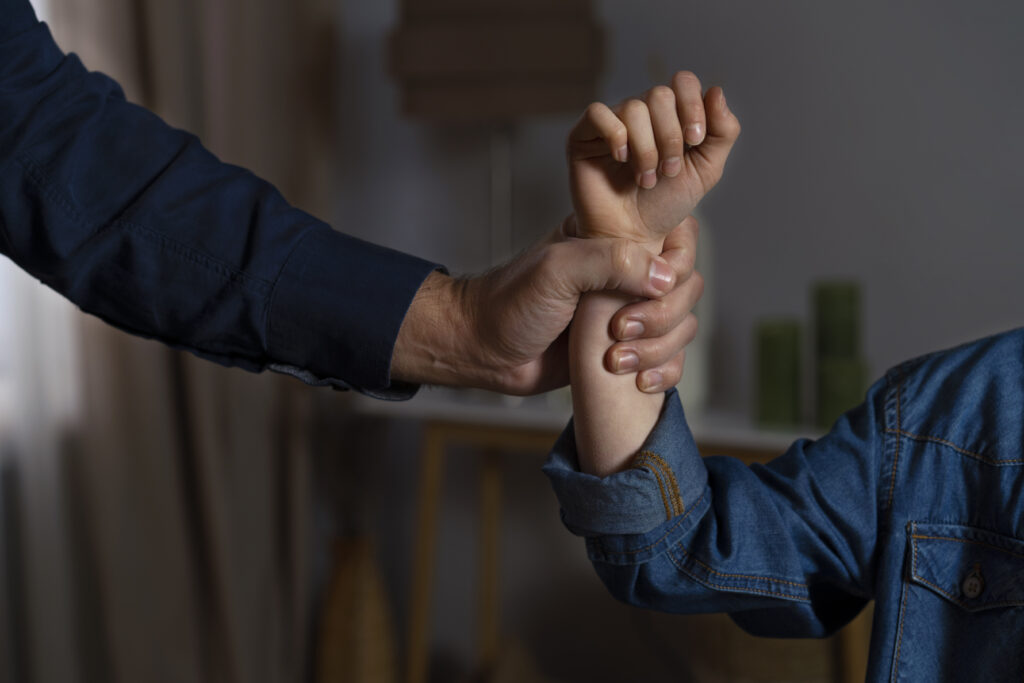
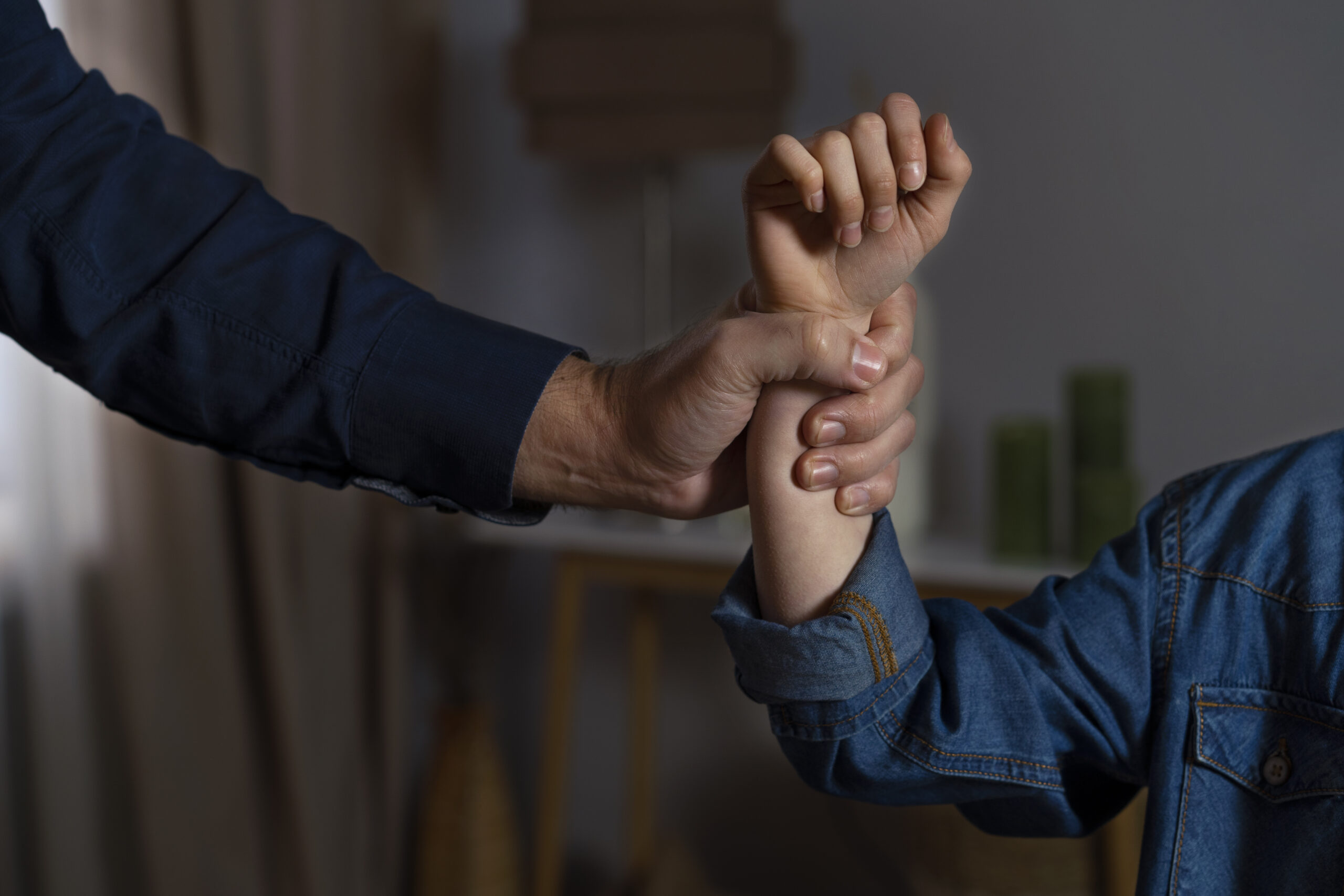
A pattern of behavior used by one partner to gain or maintain power and control over another in an intimate relationship. It is rarely a single incident — and it is never the survivor’s fault.

Physical abuseEmotional & psychological abuseFinancial/economic abuseSexual abuseDigital & tech-facilitated abuse

The Cycle of Abuse

1

Tension Building

Stress and control tighten; walking on eggshells begins.

2

Incident

Abuse occurs — physical, verbal, emotional, or sexual.

3

Reconciliation

Apologies, gifts, or promises — the "honeymoon" phase.

4

Calm

A period of relative peace, before tension builds again.

Recognizing the signs

  • ✓Isolating you from friends, family, or support systems
  • ✓Monitoring your phone, location, or communications
  • ✓Controlling money, access to work, or transportation
  • ✓Threats — to you, your children, pets, or themselves
  • ✓Extreme jealousy, blame, or unpredictable mood swings

Who it affects

Domestic violence happens across every gender, age, income level, and relationship type — including LGBTQ+ relationships, elder abuse, and teen dating violence. Immigration status, disability, or financial dependence can make leaving even harder — and support should account for that.

Impact on children

Children who witness abuse at home can experience trauma similar to direct victims. Our resources include guidance for parents on talking to kids and finding child-specific support.

Myths vs. Facts

MythIt only happens in certain communities or income levels.
FactDomestic violence occurs across every demographic, culture, and income bracket.
MythIf it were that bad, they would just leave.
FactLeaving is often the most dangerous time — safety planning matters more than judgment.
MythAbuse is always physical.
FactEmotional, financial, and digital abuse can be just as damaging and controlling.
Sex Trafficking

What is sex trafficking?

The recruitment, transport, or harboring of a person through force, fraud, or coercion for the purpose of sexual exploitation. It can happen to anyone, anywhere — including within one’s own community or home.

ForceFraudCoercionDebt bondageOnline grooming

Recruitment tactics & warning signs

  • ✓A sudden "boyfriend" or "employer" who is much older or controlling
  • ✓Unexplained gifts, travel, or sudden change in appearance
  • ✓Not in control of their own ID, phone, or money
  • ✓Signs of coaching before speaking, or a scripted story
  • ✓Online: being asked to move a conversation to a private app quickly

Labor vs. sex trafficking

Trafficking isn’t limited to sexual exploitation — labor trafficking forces people into work through similar coercive tactics. Both share the core elements of force, fraud, or coercion, and both deserve the same urgency of response.

Survivor recovery journey

Recovery is rarely linear. Trauma-informed case management, safe housing, legal advocacy (including trafficking-specific visas where applicable), and long-term mental health support all play a role.

Myths vs. Facts

MythTrafficking always involves kidnapping by strangers.
FactMost victims are recruited by someone they know and trust.
MythIt only happens in other countries.
FactTrafficking happens in every country, including in local communities.

See something that concerns you?

Learn how to report safely and connect a potential victim with confidential help.

Sexual Abuse

Understanding consent, assault & abuse

Sexual abuse is any non-consensual sexual contact or behavior. Consent must be freely given, reversible, informed, enthusiastic, and specific — anything less is not consent.

Sexual assaultSexual harassmentChild sexual abuseAbuse of power/authority

If abuse has just happened

  • ✓Get to a safe place and, if injured, seek medical care
  • ✓You can request a forensic exam even if unsure about reporting
  • ✓Reach a crisis line for a trained advocate to walk you through options
  • ✓You are never obligated to report to move forward with care

Warning signs in relationships & institutions

Grooming behavior — excessive gift-giving, secrecy, boundary-testing, or isolating a person from peers — often precedes abuse, whether by a partner, family member, or someone in a position of authority (coach, clergy, employer).

Healing after abuse

Trauma-informed therapy, survivor support groups, and time without judgment all support healing. There is no "right" timeline for processing what happened.

Myths vs. Facts

MythMost assaults are committed by strangers.
FactMost survivors know their abuser — often a partner, friend, or family member.
MythIf there was no physical resistance, it wasn’t assault.
FactFreezing is a common trauma response — resistance is never required for something to be assault.

Confidential support is available now

Trained advocates can talk through your options — reporting, medical care, or simply being heard.

Homelessness

The link between abuse and housing instability

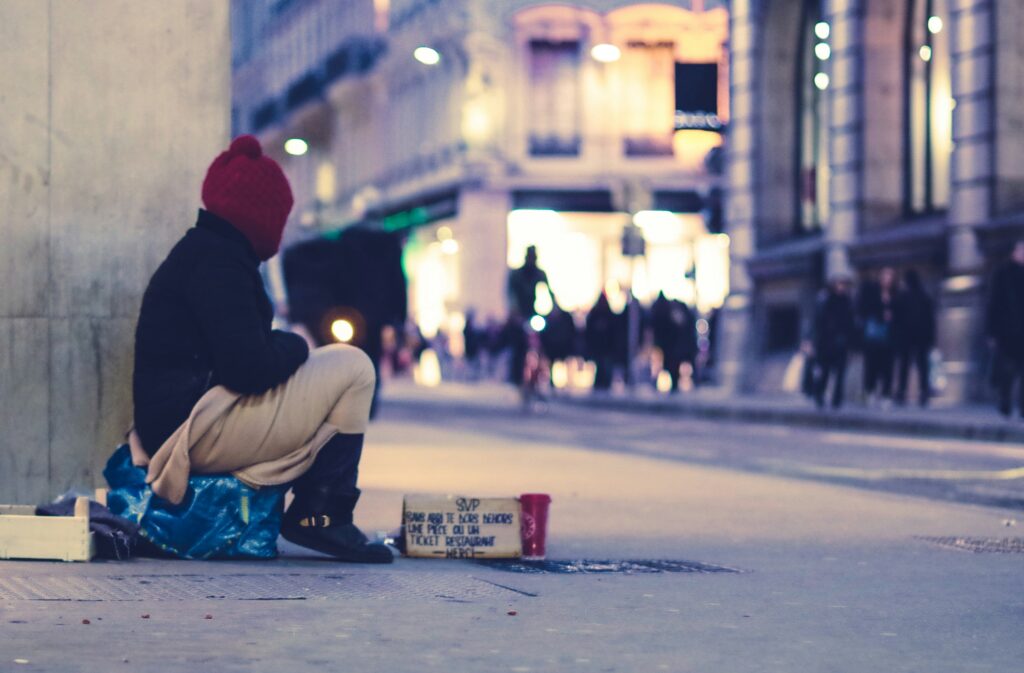
Fleeing an abusive home is one of the leading causes of homelessness for women and families. Without a safety net, many survivors face an impossible choice between an unsafe home and no home at all.

ShelteredUnshelteredHidden homelessness (couch-surfing)Youth homelessness

Signs of housing instability

  • ✓Frequently moving between friends' or family's homes
  • ✓Facing eviction after leaving an abusive partner
  • ✓No independent income or access to shared finances
  • ✓Teens and young adults pushed out after disclosing abuse

How we help

Emergency shelter referrals, transitional housing programs, rapid re-housing assistance, and help navigating rental assistance and tenant rights — paired with the safety planning survivors need to stay housed long-term.

Need shelter today?

Search emergency and transitional housing options near you.

Violence Against Women

Beyond the home: broader forms of violence

Violence against women spans far more than domestic settings — from the workplace to online spaces. Understanding its full scope helps everyone respond earlier.

Workplace Harassment

Unwanted advances, quid-pro-quo pressure, or a hostile work environment — and how to document and report it.

Online Harassment & Stalking

Digital abuse, GPS tracking, doxxing, and coordinated harassment — plus steps to lock down your digital safety.

Emotional & Psychological Abuse

Manipulation, gaslighting, and control that leave no visible mark but lasting harm.

Mental Health & Trauma Recovery

Healing is possible — and it looks different for everyone

Trauma from abuse, exploitation, or housing instability can affect mental health long after the danger has passed. Understanding these effects is the first step toward recovery.

PTSD

Flashbacks, hypervigilance, and avoidance following a traumatic event or sustained abuse.

Anxiety & Depression

Persistent worry, low mood, or loss of interest — common, treatable responses to trauma.

Complex Trauma

The cumulative effect of prolonged abuse, often requiring specialized, trauma-informed care.

The recovery journey

Healing is not linear — good days and setbacks can coexist. Trauma-informed therapy approaches like EMDR, CBT, and somatic therapy help process trauma at a survivor’s own pace.

Coping & grounding techniques

Simple grounding exercises (naming five things you can see, hear, and feel) can help manage overwhelming moments between therapy sessions.

Supporting a survivor's mental health

Listen without trying to fix. Avoid pressuring timelines for "moving on." Encourage — never insist on — professional support, and take care of your own wellbeing too.

Scroll to Top